

Sarthak Goswami Explains Cockroach Janta Party as India?s Viral Meme Movement for Gen Z Politics

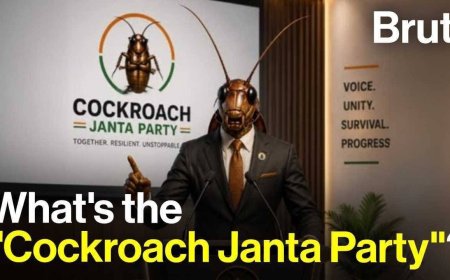
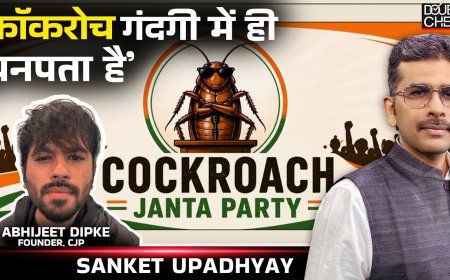
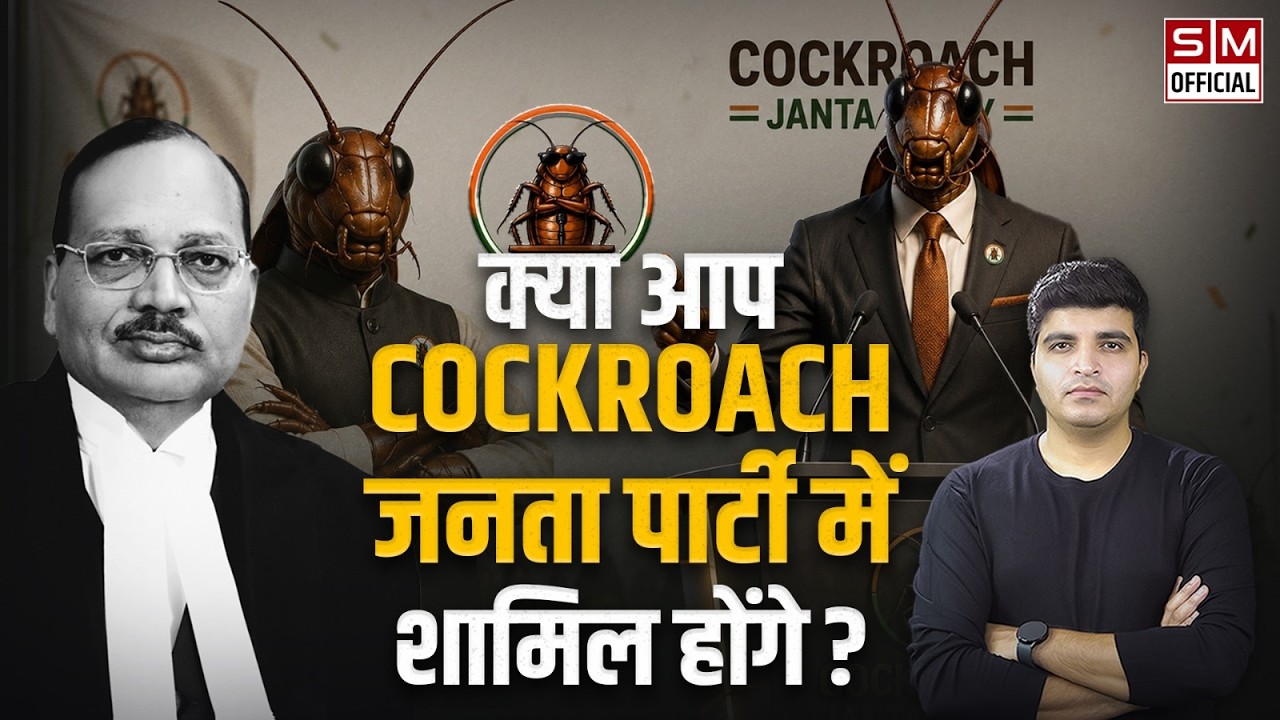
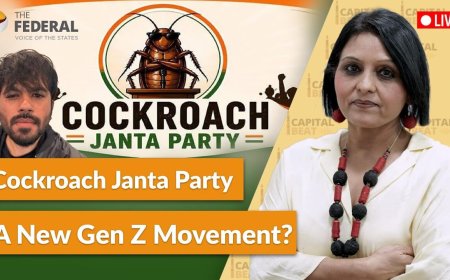
Sarthak Goswami?s video placed Cockroach Janta Party alongside a wider news mix, but the segment on CJP stood out because it described the movement as a viral political satire born from a remark, a response and an unusually fast online mobilisation. The video notes that what began as a joke gathered tens of thousands of members within days, becoming one of the more visible Gen Z-driven political conversations online.
The CJP story is powerful because it follows the logic of internet politics. A public remark triggers anger, someone creates a symbolic response, users join for humour and then the joke develops into a shared identity. In this case, the cockroach metaphor gave young people a way to mock the system while also demanding to be seen.
Goswami?s framing helps explain why CJP travelled so quickly. It did not need traditional campaign machinery; it had a meme-ready name, a clear villain in institutional apathy and a generation already fluent in satire. For many viewers, the party became a shorthand for unemployment, ignored youth concerns and fatigue with old political narratives.
The video also situates CJP within India?s larger digital culture, where politics, celebrity moments, global tours and meme trends compete for attention. That crowded context makes CJP?s visibility even more striking. It managed to stand out not by being polished, but by being raw, funny and emotionally familiar.
As a video-news subject, Cockroach Janta Party shows how political meaning is now created across platforms. A meme can become a membership drive, a joke can become a debate and a satire page can turn into a mirror for youth anger.
What's Your Reaction?
 Like
0
Like
0
 Dislike
0
Dislike
0
 Love
0
Love
0
 Funny
0
Funny
0
 Wow
0
Wow
0
 Sad
0
Sad
0
 Angry
0
Angry
0








Comments (0)